
Basement Floor Coatings
in Arthur, IL
Turn a bare, dusty, stained basement slab into a clean, bright, usable floor — sealed against moisture, prepped around drains and sump pits, and built for daily use.
Basement Floor Coatings
A basement floor is the most overlooked slab in the house. It is bare concrete that collects dust, absorbs every spill, stains dark where the water heater or the laundry has dripped for years, and reads as a rough, gray surface that makes the whole basement feel unfinished. A basement floor coating seals that slab and changes the room. The floor becomes clean, bright, and wipeable — a surface you can actually use for a play room, a home gym, a workshop, or just a basement that does not feel like a storage cave.
A basement floor coating is a resin system that bonds to properly prepared concrete and cures into a hard, sealed surface. Because basements sit below grade, moisture is the first thing we look at. Concrete in a basement can wick vapor up through the slab, and a coating applied over a wet floor will not stay down. We test the slab and read the moisture before we coat, and we use moisture-tolerant systems built for below-grade concrete. Where a vapor issue shows up, we talk through it with you before anything goes down — a coating only lasts if the slab underneath is right for it.
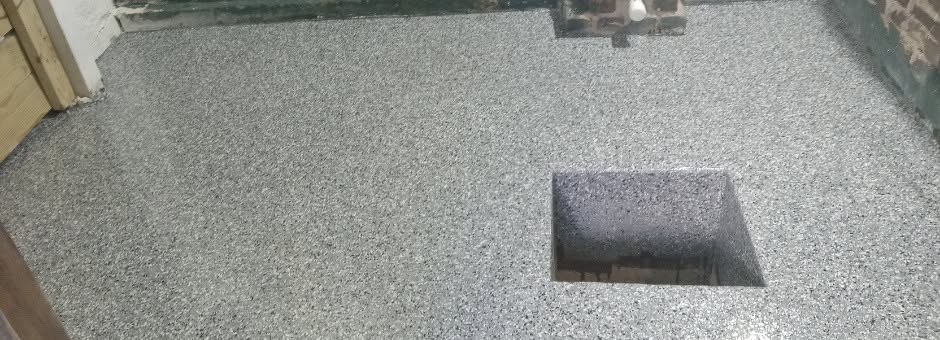
Basements come with features a garage or a shop floor does not — floor drains, sump pits, utility penetrations, and the odd shape of a foundation wall. We prep around all of it. A drain gets a clean, sealed edge so water runs into it instead of pooling at the rim. A sump pit gets coated to the lip so the concrete around it is sealed and clean. The coating ties into the wall base so there is no raw concrete edge collecting dust. The result is one continuous, sealed floor that turns the basement from a rough slab into a finished room.
Request a quote
Tell us about your floor
Signs it's time
When a Basement Slab Is Ready to Coat
The floor is dusty and rough
A bare basement slab dusts and sheds surface paste, leaving grit on everything. A sealed floor locks the surface down and stops the dust at the source.
Stains from years of use
Water heater drips, laundry spills, and foot traffic have stained the concrete dark. A sealed coating covers the stains and wipes clean going forward.
You want to use the basement for more
A play room, a gym, a workshop, a finished family room — a coated floor is the foundation that makes the basement feel like a real room instead of a cellar.
The floor is hard to clean
Porous basement concrete grabs dirt and holds it. A seamless coating has no pores and no grout lines, so a mop finishes the job in a fraction of the time.
Moisture is on your mind
Basements sit below grade and wick vapor. We test the slab first and use moisture-tolerant systems, and we talk through any vapor issue before we coat.
You are finishing the basement
Coat the slab before walls, trim, and fixtures go in. An open floor coats fast and clean, and the finished room starts with a sealed floor instead of bare concrete.
How the job goes
How a Basement Floor Goes Down
Look at the slab and the moisture
We walk the basement, look at the concrete, the drains, the sump pit, and test the slab for moisture. Then we recommend a system and talk through any vapor concern.
Prep the concrete
We mechanically grind the surface to open the pores, repair cracks and spalls, and clean around drains and the sump pit so the resin bonds to open concrete.
Base coat
The moisture-tolerant base coat goes down and bonds to the slab, building the thickness that carries daily foot traffic and the wear of a used basement.
Flake or finish
For a decorative look we broadcast colored flake into the wet base. For a clean, uniform surface we apply a pigmented solid finish. The choice depends on the room.
Topcoat and edge detail
A clear, durable topcoat seals the system. Drains and the sump pit get a clean, sealed edge so water runs where it should and the concrete around them stays sealed.
Back in use
After the cure window the basement floor is ready for foot traffic and daily use — clean, sealed, and bright, with the rough slab turned into a finished floor.
Options
Finish and Moisture Choices for a Basement
Flake vs. solid color
A flake system broadcasts colored chips into the base coat for a textured, decorative floor with depth that hides minor imperfections. A solid color coat is smooth and uniform and reads brighter in a low-light basement. We help you pick.
Moisture-tolerant build
Because basements sit below grade, we use systems built to tolerate slab moisture and we test the concrete first. If a vapor issue shows up, we talk through it with you before coating.
Slip-resistant texture
A basement can run damp, and a sealed floor can be slick underfoot. We can build a skid-resistant texture into the topcoat where foot traffic and moisture mix.
Drain and sump pit detail
We prep and seal around floor drains and the sump pit so the concrete edge is clean and water runs into the drain instead of pooling at the rim. The detail is part of the job.
A real basement job
From Bare Slab to a Finished Floor
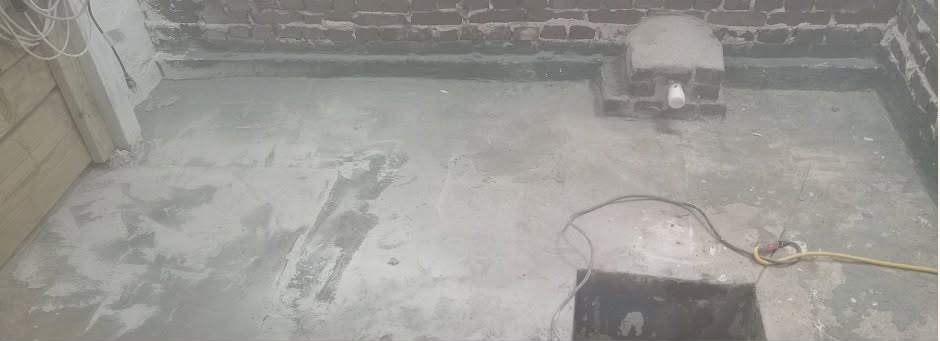
Drag the slider to see the same basement floor before and after a gray flake coating. This is a real residential job — the bare, dusty slab on the left, the sealed, bright, finished floor on the right.
Basement floor
Why Superior Floor Coatings
Why Homeowners Call Us for the Basement Slab
Superior Floor Coatings is based in Arthur, Illinois, and our focus is commercial and industrial floor coatings — shops, warehouses, plants and ag facilities that need a floor built for real traffic. We coat new construction and existing concrete, and we install epoxy resin cove base and wall coatings for spaces that need a seamless, washable surface.
We answer the phone Monday to Saturday, 6 AM to 9 PM. Call us at (217) 294-3979 and we'll walk you through it.
Questions
Basement Floor Coatings FAQ
Can you coat a basement floor with moisture?+
We test the slab for moisture before coating and use moisture-tolerant systems built for below-grade concrete. If a vapor issue shows up, we talk through it with you before anything goes down — a coating only lasts if the slab is right for it.
How do you handle floor drains and the sump pit?+
We prep and seal around floor drains and the sump pit so the concrete edge is clean and water runs into the drain instead of pooling at the rim. The sump pit gets coated to the lip so the concrete around it stays sealed.
Will a basement floor coating brighten the room?+
Yes. A bare basement slab reads dark and gray, and a finished coating — especially a lighter flake blend or a solid color — reflects light and makes the whole room read brighter and more finished.
Can you coat a basement floor before we finish the basement?+
It is the best time. Coating the slab before walls, trim, and fixtures go in means an open floor that coats fast and clean, and the finished room starts with a sealed floor instead of bare concrete.
What about cracks in the basement slab?+
We repair cracks and spalls as part of preparation before coating. Hairline cracks are bridged by the resin; wider cracks are routed, filled, and sealed so they do not telegraph through the coating.
How far do you travel for basement work?+
We serve homes within about 50 miles of Arthur. Larger commercial and industrial projects farther out: call to talk it through. Call us at (217) 294-3979.
Related services
Other Home Floors We Install
Garage Floor Coatings
Decorative flake and solid epoxy garage floors that resist oil, salt and hot tires — and make the space usable again.
Stair & Step Coatings
Skid-resistant flake coatings for basement stairs, entry steps and porches that hold up to foot traffic and weather.
Commercial Epoxy Flooring
High-build epoxy systems for retail, office, restaurant and showroom floors that take daily traffic and still look sharp.
Service area
Basement Floors Across Central Illinois
Based in Arthur, IL, we serve homes, businesses and industrial facilities within about 50 miles. Larger commercial and industrial projects farther out: call to talk it through.
Ready to finish the basement floor?
Tell us about the slab, the drains, and how you want to use the room. We'll match a moisture-tolerant system to the basement.